
Chelsea Gallery Stages Provocative Trump Sculpture as Political Art Commentary
Daniel Edwards' 'Project 29' anchors week-long exhibition exploring dystopian themes in contemporary art from May 26-31.
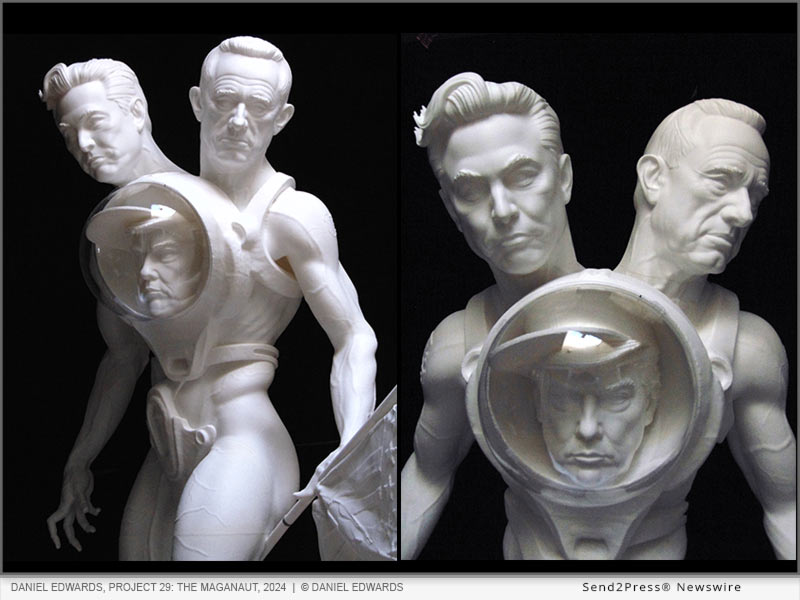
A Chelsea gallery will host a six-day exhibition beginning May 26 that uses sculpture and installation to examine political narratives through speculative fiction and biotech imagery. The show, titled "Opposing Visions: The Trump Era in Art," centers on a monumental work by sculptor Daniel Edwards called "Project 29" that engages with themes of technological transformation and political continuity.
Edwards' central installation imagines alternative political futures through the lens of biotechnology and speculative imagery. The artist has positioned the work as a commentary on contemporary anxieties around power, technology, and institutional longevity rather than a literal political statement. The exhibition format—a week-long run with scheduled programming—allows for extended audience engagement with work designed to provoke debate rather than consensus.
The Chelsea location carries specific weight in the art world. The neighborhood has long functioned as a testing ground for conceptually ambitious work addressing social and political themes. Galleries in the district frequently host exhibitions that operate at the intersection of fine art and public discourse, making it a natural venue for Edwards' deliberately provocative approach.
Special events throughout the week will likely include artist talks, panel discussions, or performances designed to contextualize the work within broader conversations about representation and political imagery in contemporary art. Such programming signals that the exhibition intends serious engagement with its subject matter, positioning itself within art-historical discourse rather than purely commercial territory.
For the broader art market, this exhibition marks a return to politically engaged sculpture as a viable gallery draw. After years of politically themed conceptual work dominating contemporary spaces, large-scale figurative sculpture addressing current events signals renewed institutional interest in material-based approaches to contemporary critique. The work's reception will likely influence how galleries approach politically charged subject matter in coming seasons.
Edwards' prominence as a figurative sculptor who engages with celebrity and power imagery means this exhibition will attract attention from collectors interested in art addressing contemporary politics. The six-day timeframe suggests a deliberately limited run, potentially creating urgency among collectors and critics tracking developments in politically engaged sculpture.