
Yubo Fernández Launches Monograph, Chelsea Show as NYC Presence Expands
Contemporary painter releases career retrospective written by art historian Candido Geron alongside gallery exhibition in Manhattan's gallery district.
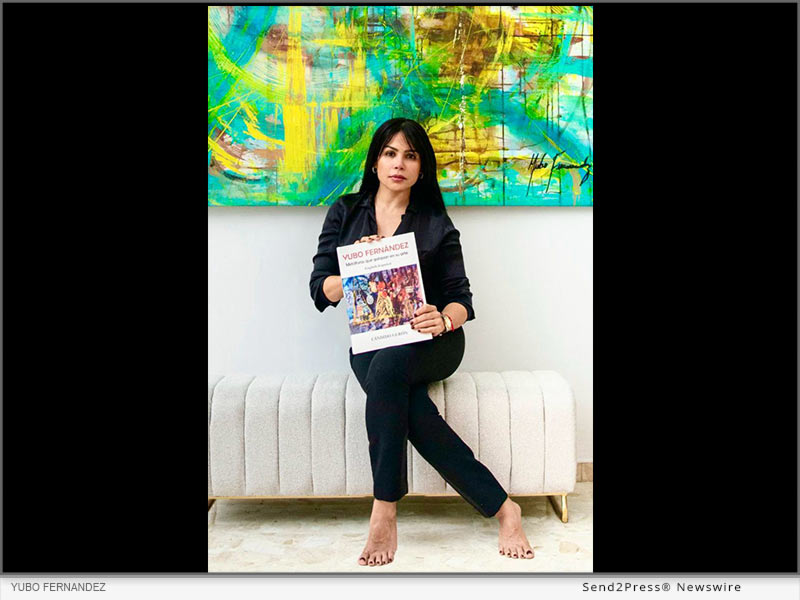
Contemporary painter Yubo Fernández is establishing significant institutional and commercial footprint in New York through a coordinated book and exhibition campaign this spring. Art historian and critic Candido Geron authored the monograph "Yubo Fernández: Galloping Metaphors in Her Art," which examines the artist's career trajectory, visual language, and conceptual frameworks across her practice.
The publication arrives as Fernández opens work in Chelsea, positioning her within Manhattan's primary gallery corridor at a moment when dealers are reassessing representation of mid-career abstractionists. The combination of scholarly documentation and commercial gallery presence signals a deliberate strategy to move an artist from emerging to established market status—a transition that typically requires third-party validation through critical apparatus and sustained institutional visibility.
For museum professionals and advisors, the monograph's release matters as a barometer of market confidence. Publishers typically green-light artist books only when sales potential appears strong enough to justify production costs. Geron's involvement—his reputation as both historian and critic carries weight in institutional acquisition decisions—suggests museums may treat this publication as a credible entry point for future acquisitions or programming. The timing also reflects how artists and their representatives now coordinate editorial and commercial activities to create momentum across multiple collector and curator networks simultaneously.
Gallery placement in Chelsea remains a baseline expectation for artists pursuing serious market development, though the neighborhood has faced ongoing questions about oversaturation and shifting collector geography. Fernández's exhibition coinciding with the book launch allows galleries to leverage critical material in sales conversations and press outreach, while the scholarly framing positions prices above emerging-artist entry points. For advisors evaluating emerging painters, the convergence of commercial and intellectual infrastructure provides clearer due diligence signals than exhibition alone.
The strategy reflects how today's art world requires parallel validation tracks: commercial (gallery representation), critical (monograph, reviews), and—implicitly—curatorial (museum consideration). Artists without this scaffolding face barriers to price appreciation and secondary-market liquidity. The Fernández campaign demonstrates how representation of established painters now demands coordination across publishing, gallery, and market-development channels to sustain momentum in a fragmented collector base.
As market conditions tighten and institutional acquisitions slow, artists with comprehensive marketing infrastructure—including historical documentation—will likely outperform peers lacking such support structures.